Wavy Borders: A Decorative Dingbat Font for Editors
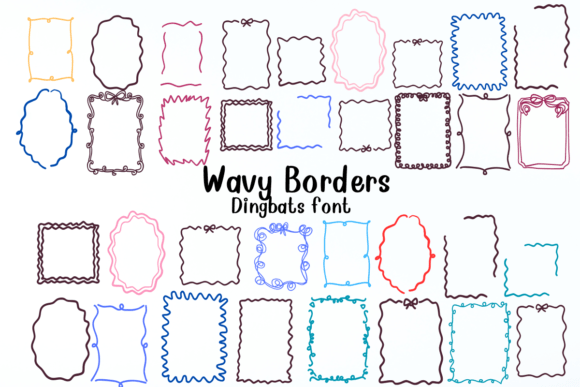
As an editorial designer who spends hours refining layouts for magazines, ebooks, and newsletters, I know that the right Fonts can transform a standard document into a compelling visual story. When searching for unique design assets to frame content, Wavy Borders stands out as a special type of font called a dingbat font that offers more than just text; it provides structure and elegance. Instead of letters or numbers, it has decorative designs that look like wavy lines or borders, making it an essential tool for anyone looking to elevate their publication's aesthetic. You can use these wavy borders to make the difference between a flat page and one that invites the reader to linger.
Using Wavy Borders for Magazine Covers and Ebook Titles
When designing a magazine cover or an ebook title page, the first impression is everything, and Wavy Borders provides the perfect framing element to capture attention immediately. Unlike standard Dingbats that might feel cluttered or chaotic, this specific set of Fonts offers a fluid, organic rhythm that complements modern typography without overpowering the main headline. By placing these decorative elements above and below your primary title, you create a contained space that signals importance and sophistication. For instance, a lifestyle blog launching a digital cookbook can use these lines to separate the title from the author's name, creating a clean hierarchy that guides the eye naturally down the page. The soft curves of the design soften the rigidity of digital screens, making the content feel more tactile and inviting, much like a high-quality print publication.
Creating Visual Hierarchy with Section Headers in Articles
Long-form content often suffers from a lack of visual breaks, but integrating Wavy Borders as section dividers helps readers navigate complex information with ease. As a publisher, I rely on these Dingbats to signal transitions between chapters or major topics within a guide or newsletter. Instead of using heavy horizontal rules that can feel harsh on mobile devices, the gentle undulation of these Fonts adds a touch of personality while maintaining readability. You can use these wavy borders to make the transition from a dense paragraph to a new section feel seamless and intentional. This technique is particularly effective in educational workbooks or coaching guides where the tone needs to be encouraging rather than rigid. The visual cue tells the reader they are moving forward, breaking up the wall of text and reducing cognitive load.
Enhancing Quote Graphics and Pull Quotes with Wavy Lines
Pull quotes are powerful tools for engagement, and wrapping them in Wavy Borders instantly elevates their status within a layout. These decorative designs act as a spotlight, drawing the eye to key insights, testimonials, or memorable phrases without needing excessive background colors or drop shadows. Because this is a special type of font called a dingbat font, it scales beautifully whether you are designing a small social media graphic or a full-page feature in a digital magazine. Instead of letters or numbers, it has decorative designs that look like wavy lines or borders that can be stretched or repeated to fit the length of your quote perfectly. You can use these wavy borders to make the quote stand out against a plain white background, adding a layer of refinement that suggests authority and care in your editorial process.
Designing Elegant Branding for Newsletters and Lead Magnets
Consistency is the cornerstone of strong brand identity, and incorporating Wavy Borders into your newsletter templates creates a recognizable signature style for your audience. Whether you are sending a weekly digest or a premium paid subscription update, these Dingbats serve as a subtle yet effective branding element that ties all your communications together. Many creators struggle to find Fonts that work well in email clients, but the simplicity of these line-based designs ensures they render correctly across various platforms. You can use these wavy borders to make the header and footer of your emails feel cohesive and professional. For lead magnets like checklists or printable planners, these borders define the workspace, giving the user a sense of structure and organization that enhances the perceived value of the free resource.
Pairing Wavy Borders with Serif and Sans Serif Typography
The true power of Wavy Borders emerges when paired thoughtfully with other typefaces to create a balanced editorial composition. Since this asset functions as a decorative accent, it pairs exceptionally well with a classic serif font for body copy, creating a contrast between the traditional text and the modern, fluid lines. Alternatively, using these Dingbats alongside a clean sans serif font can give a contemporary, minimalist vibe suitable for tech blogs or modern business reports. Instead of letters or numbers, it has decorative designs that look like wavy lines or borders that do not compete with the legibility of your main text. You can use these wavy borders to make the pairing feel intentional, ensuring that the decorative elements support the message rather than distract from it. Always test your combinations at different sizes to ensure the lines remain crisp on both high-resolution monitors and mobile screens.
Ensuring Readability Across Print and Digital Formats
One of the most critical considerations for any designer is how Wavy Borders translate from screen to paper and back again. As a special type of font called a dingbat font, its vector-based nature ensures that the lines remain sharp whether exported as a PDF for print or displayed on a retina display. However, it is important to consider weight and spacing; if the lines are too thin, they may disappear in low-contrast digital environments or get lost in newsprint. Instead of letters or numbers, it has decorative designs that look like wavy lines or borders that should be scaled appropriately for the medium. You can use these wavy borders to make the layout adaptable by adjusting the stroke width slightly depending on the output format. For mobile layouts, ensure there is enough whitespace around the borders so they don't crowd the text, preserving the breathing room necessary for comfortable reading on small screens.
Licensing Considerations for Commercial Publications
Before integrating Wavy Borders into a paid product, it is vital to understand the commercial licensing terms associated with this Dingbats collection. Many creators overlook this step, only to face legal issues when selling ebooks, templates, or client publications that include these design assets. While many Fonts offer personal licenses for free, using them in a monetized context usually requires a specific commercial license. Instead of letters or numbers, it has decorative designs that look like wavy lines or borders that become part of your intellectual property once licensed correctly. You can use these wavy borders to make your products legally compliant and professionally protected. Always verify if the license covers web fonts, embedded PDFs, and merchandise, ensuring your usage aligns with the creator's terms for peace of mind and long-term sustainability.
Finalizing Your Design Workflow with Decorative Assets
Incorporating Wavy Borders into your design workflow streamlines the creation of polished, professional content across all your platforms. By treating these Dingbats as fundamental building blocks rather than afterthoughts, you establish a consistent visual language that resonates with your audience. Instead of letters or numbers, it has decorative designs that look like wavy lines or borders that save time during the layout phase by providing pre-made structural elements. You can use these wavy borders to make the final stages of your design process faster and more efficient, allowing you to focus on the core message of your writing. Whether you are a solo blogger or part of a large publishing house, having a reliable set of decorative fonts ensures that every piece of content you release maintains a high standard of quality and visual appeal.