Sticker Doodle: A Review of This Emotive Dingbats Font
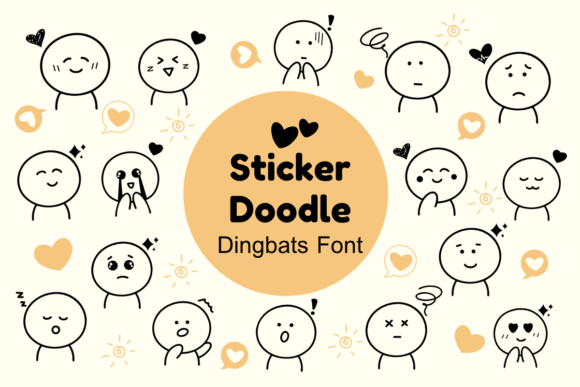
I was sitting at my desk late last Tuesday, staring at a blank layout for a new lifestyle blog header. The project required something that felt personal yet polished, a typeface that could bridge the gap between a professional editorial design and a warm, hand-crafted invitation. I had tried several standard sans serif fonts, but they felt too sterile for the cozy mood we were trying to establish. That is when I decided to test Sticker Doodle, a unique entry in the world of dingbats fonts with an emotive theme. As I began typing out the draft headlines, it became immediately clear that this font could enhance creative projects such as wedding invitations, DIY crafts, decorations, logos, and many other creative ideas by adding a layer of visual storytelling that standard text simply cannot achieve.
Sticker Doodle for Wedding Invitations and Elegant Branding
When working on client projects involving special occasions, the choice of typography often dictates the entire emotional arc of the design. Sticker Doodle stands out as a versatile tool within the category of dingbats, offering a playful yet refined aesthetic that works beautifully for wedding invitations. Unlike traditional script fonts that can sometimes feel overly formal or difficult to read, this typeface brings a sense of whimsy and genuine emotion to the page. In my recent review of various display fonts for bridal stationery, I found that Sticker Doodle excels at creating a focal point for key details like the couple's names or the event date without overwhelming the reader.
The emotive theme inherent in the design allows designers to infuse personality into branding materials that might otherwise feel generic. Whether you are designing a logo for a boutique wedding planner or creating custom decorations for a reception, this font provides the necessary visual weight to capture attention. It functions less like a standard set of letters and more like a collection of curated design assets that elevate the perceived value of the final product. For independent creators looking to build a brand identity around warmth and creativity, incorporating Sticker Doodle into your toolkit offers a distinct advantage over relying solely on basic system fonts.
Integrating Sticker Doodle into DIY Crafts and Decorations
Beyond digital layouts, the utility of Sticker Doodle extends significantly into the realm of physical media and hands-on creation. As a creator who frequently produces printable planners and DIY craft guides, I have tested how well these dingbats translate from screen to paper. The result is surprisingly robust; the characters maintain their clarity and charm even when printed on textured cardstock or used as cut-out elements for scrapbooking. This makes the font an ideal choice for anyone involved in crafting decorations, where the visual rhythm of the type needs to match the tactile nature of the materials.
Using Sticker Doodle for DIY projects allows for a level of customization that pre-made templates often lack. You can mix and match characters to create unique motifs for party favors, gift tags, or room decor. The font's ability to function as both text and illustration means you can reduce the need for external graphic elements, streamlining your workflow. When designing a series of handmade cards or a seasonal decoration kit, this font acts as a cohesive thread that ties the entire project together, ensuring that every element feels intentional and thoughtfully designed.
Sticker Doodle Logos and Creative Identity Design
Building a memorable logo requires a typeface that communicates the core values of a business instantly. Sticker Doodle serves as an excellent foundation for logos, particularly for brands operating in the lifestyle, wellness, or creative industries. Because it is a dingbats font with an emotive theme, it naturally draws the eye and creates an immediate connection with the audience. In my experience reviewing various fonts for startup branding, I have found that many entrepreneurs struggle to find a balance between professionalism and approachability, and this font strikes that balance perfectly.
When applied to logo design, Sticker Doodle transforms simple words into visual icons. The irregularity and character of each glyph prevent the logo from feeling rigid or corporate, which is essential for businesses that want to appear human-centric and accessible. Whether you are launching a new line of organic products, a coaching workbook, or a creative agency, using this font can help establish a publication identity that resonates with your target demographic. It signals to the viewer that the brand values creativity, emotion, and personal expression, setting the tone for all future content interactions.
Typography Pairing Strategies for Editorial Layouts
While Sticker Doodle is a powerful display font, its true potential is unlocked when paired correctly with complementary typefaces. In editorial design, readability is paramount, and using an expressive font for body copy can quickly lead to reader fatigue. Therefore, I recommend using Sticker Doodle strictly for titles, subtitles, pull quotes, and section headings. To support this, pair it with a clean sans serif font for navigation and captions, or a classic serif font for long-form articles and paragraphs. This combination ensures that the emotive energy of the dingbats enhances the layout without compromising the legibility of the content.
For example, in a digital magazine layout or a recipe ebook, you might use Sticker Doodle for the chapter openers and featured dish names to create excitement. The rest of the text should remain neutral to guide the reader smoothly through the information. This hierarchy not only improves the user experience but also reinforces the publication identity by establishing a consistent visual language. By treating Sticker Doodle as a decorative accent rather than a workhorse for dense text, you maintain the integrity of your design while maximizing the font's impact.
Technical Considerations for Fonts in Digital and Print Media
Before integrating Sticker Doodle into any commercial project, it is crucial to understand the technical specifications and licensing requirements associated with premium fonts. As with any high-quality typeface, you must verify the included file formats, such as OTF or TTF, to ensure compatibility with your preferred design software. Additionally, check for multilingual support if your content will reach a global audience, and review the commercial font licensing terms to confirm that the usage rights cover ebooks, templates, printables, paid newsletters, and client publications.
Readability across different mediums is another key factor to consider. While Sticker Doodle looks stunning on a large magazine cover or a social media graphic, it may lose definition when scaled down for small captions or mobile interfaces. Always test the font at various sizes to ensure the emotive details remain visible and do not blur into indistinct shapes. For PDF exports and print materials, ensure that the vector paths are crisp to avoid pixelation. By taking these practical steps, you can confidently use Sticker Doodle to enhance your creative projects, knowing that the final output will be both beautiful and technically sound.